The Impact of Automated Systems on Valve Solutions in Food Processing
The Impact of Automated Systems on Valve Solutions in Food Processing
Overview of Automated Systems
Automated systems drive efficiency across food processing plants by replacing manual operations with precise mechanical controls. These setups integrate sensors, actuators, and software to manage production lines without constant human intervention. Manufacturers deploy them to handle high volumes of raw materials while maintaining consistent output quality. In practice, automated systems coordinate everything from ingredient dosing to final packaging stages, cutting downtime and labor costs. Plants that adopt these technologies often see throughput increases of 30 percent or more. The shift toward automation also supports traceability requirements that modern retailers demand from suppliers.
Importance of Automation in the Food Industry
Automation elevates standards in the food industry by delivering repeatable processes that reduce contamination risks. Processors gain tighter control over variables such as temperature, pressure, and flow rates that directly affect product safety. This consistency helps companies meet growing consumer expectations for reliable, high-quality goods. Facilities using automated systems also respond faster to market shifts, scaling production without hiring proportional staff. Labor shortages in many regions make these technologies essential rather than optional. Overall, automation strengthens competitiveness while freeing workers for higher-value tasks that require human judgment.
Role of Valves in Automated Systems
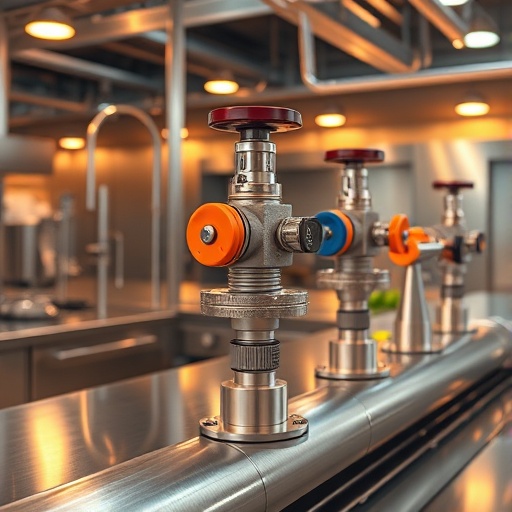
Valves form the backbone of fluid management inside automated systems for food processing. They regulate the movement of liquids, gases, and semi-solids through pipelines with exact timing. When paired with electronic actuators, valves open and close on command from central controllers to maintain recipe accuracy. This integration prevents overflows, blockages, and pressure spikes that could halt production. Valves for food processing must withstand frequent cleaning cycles while preserving product integrity. Their reliable performance directly determines whether automated lines run smoothly or experience costly interruptions.
Control Valves: Precision in Food Handling
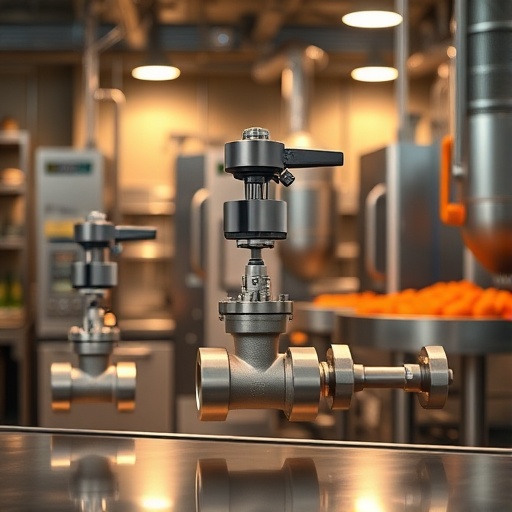
Control valves deliver the fine adjustments needed for accurate ingredient metering during food processing. Operators program these valves to maintain specific flow rates that match batch recipes exactly. In dairy or sauce production, even minor deviations can alter texture or flavor, so precision matters. Modern control valves respond instantly to signals from process controllers, adjusting positions hundreds of times per minute. This capability supports high-speed lines that fill thousands of containers hourly. Plants that upgrade to advanced control valves report fewer rejected batches and improved yield metrics across shifts.
Ball Valves: Versatility and Reliability
Ball valves excel in food processing applications because their full-port design minimizes pressure drop and allows thorough cleaning. The spherical closure element rotates quickly to start or stop flow, making them ideal for frequent on-off cycles. Many facilities choose ball valves for transfer lines carrying viscous products like chocolate or yogurt bases. Their simple construction reduces maintenance needs compared with more complex valve types. When constructed from polished stainless steel, ball valves meet sanitary standards and resist corrosion from cleaning chemicals. This combination of durability and cleanability keeps production lines running longer between service intervals.
Safety Relief Valves: Ensuring Safety Standards
Safety relief valves protect equipment and personnel by releasing excess pressure before dangerous levels build. In steam-heated or pressurized food processing systems, these valves activate automatically to prevent explosions or leaks. Regulations require regular testing and certification to confirm they function at set thresholds. Plants install safety relief valves on boilers, retorts, and mixing vessels as a final safeguard. Proper sizing ensures the valves handle maximum expected flow without allowing product contamination. Reliable safety relief valves give operators confidence that automated systems can operate at peak capacity safely.
Check Valves: Maintaining Fluid Integrity
Check valves prevent backflow that could compromise product quality or introduce contaminants into clean lines. Their one-way operation keeps fluids moving in the intended direction even when pumps stop or pressure reverses. In beverage bottling lines, check valves stop syrup from mixing with water supplies during shutdowns. Sanitary designs use smooth internals that resist bacterial growth and clean easily during CIP cycles. Processors rely on check valves to maintain separation between raw and finished product streams. This simple yet critical function supports overall food safety programs without requiring external power or controls.
Understanding Sanitary Valves for Food Applications
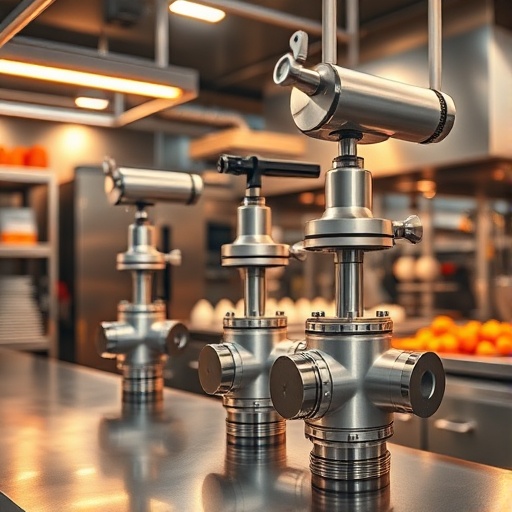
Sanitary valves feature smooth surfaces, minimal crevices, and materials approved for direct food contact. These characteristics allow effective cleaning and reduce harborage points for microbes. Manufacturers polish internal surfaces to specific Ra values so residues rinse away completely during sanitation cycles. In automated systems, sanitary valves integrate with CIP systems that flush lines without disassembly. This design supports longer production runs between cleanings while meeting strict hygiene protocols. Processors select sanitary valves specifically engineered for valves food processing applications to avoid regulatory issues.
FDA Regulations and Valve Compliance
FDA regulations set material, design, and documentation requirements for any valve that touches food or beverage products. Manufacturers must prove their valves resist corrosion, leaching, and bacterial adhesion under actual operating conditions. Compliance documentation includes material certificates, surface finish reports, and traceability records for every component. Automated systems rely on these compliant valves to pass audits without production halts. Companies that source FDA-approved valves for food processing avoid costly recalls and maintain customer trust. Staying current with evolving rules requires ongoing collaboration between valve suppliers and quality teams.
Impact of Sanitary Design on Food Safety
Sanitary valve design directly influences the microbial safety of finished food products. Poorly designed valves create dead legs where product stagnates and bacteria multiply. Automated cleaning becomes more effective when valves feature self-draining geometries and tri-clamp connections. This attention to detail reduces the risk of Listeria or Salmonella outbreaks traced to processing equipment. Facilities that invest in high-quality sanitary valves experience fewer environmental monitoring failures. Ultimately, sanitary design protects both consumers and brand reputation in a highly regulated industry.
Valves in Baked Goods Processing
Baked goods production depends on valves to meter water, oils, and dough conditioners into mixers with exact proportions. Control valves maintain consistent hydration levels that determine crumb structure and shelf life. Ball valves handle the transfer of fats and shortenings without leaving residue that could affect flavor. During proofing and baking stages, safety relief valves protect steam injection systems from overpressure. Check valves keep ingredients from flowing backward into storage tanks. These coordinated valve functions support the high-speed lines that supply bread and pastries to supermarkets daily.
Role of Valves in Confectionery Production
Confectionery lines use valves to manage chocolate, caramel, and sugar syrups at precise temperatures and viscosities. Automated systems adjust flow through control valves to fill molds uniformly and prevent defects like air bubbles. Ball valves isolate sections during flavor changes, reducing cross-contamination between batches. Safety relief valves guard against pressure spikes in cooking kettles where steam drives evaporation. Check valves maintain one-way movement through tempering loops that give chocolate its snap and shine. Reliable valve performance keeps confectionery plants producing at scale without quality drops.
Fluid Control in Beverage Manufacturing
Beverage manufacturing relies on valves to blend water, concentrates, carbon dioxide, and flavorings under tight tolerances. Automated systems use control valves to maintain carbonation levels that define product mouthfeel. Ball valves route product between filtration, pasteurization, and filling stations without leaks. Safety relief valves protect pressurized tanks during CIP and production. Check valves stop backflow that could dilute or contaminate batches. Together these valves enable the beverage industry to deliver consistent drinks across global distribution networks.
Advancements in Automated Valve Technology
Recent valve innovations include smart actuators with embedded diagnostics that predict maintenance needs before failures occur. These devices communicate position, torque, and temperature data to plant control systems in real time. Food processing facilities use this information to schedule service during planned downtime rather than reacting to breakdowns. New materials and coatings extend valve life in abrasive or corrosive applications common in food processing. Manufacturers now offer modular designs that simplify upgrades when production requirements change. These advancements raise overall equipment effectiveness across automated lines.
Impact of IoT on Valve Monitoring and Control
IoT connectivity transforms how operators monitor valves for food processing applications. Wireless sensors transmit performance data from remote pipeline sections to centralized dashboards. This visibility allows quick identification of valves drifting out of calibration or showing early wear. Automated systems can then reroute flow or trigger alerts before product quality suffers. IoT platforms also log valve cycles and cleaning events to support traceability audits. Beverage and food processors gain actionable insights that improve both uptime and regulatory compliance through connected valve networks.
Sustainability in Valve Manufacturing for Food Processing
Valve manufacturers increasingly focus on sustainable practices that reduce material waste and energy use during production. Recyclable stainless steel alloys and optimized machining processes lower the environmental footprint of each valve. In food processing plants, efficient valves cut pumping energy by minimizing pressure losses across the system. Longer service intervals decrease replacement frequency and associated resource consumption. Some suppliers now offer take-back programs that refurbish returned valves for secondary use. These efforts align valve solutions with broader sustainability goals in the food and beverage sector.