Secrets of Successful Electric Motor Repair for Manufacturers
Understanding Electric Motor Repair
The Importance of Electric Motors in Manufacturing
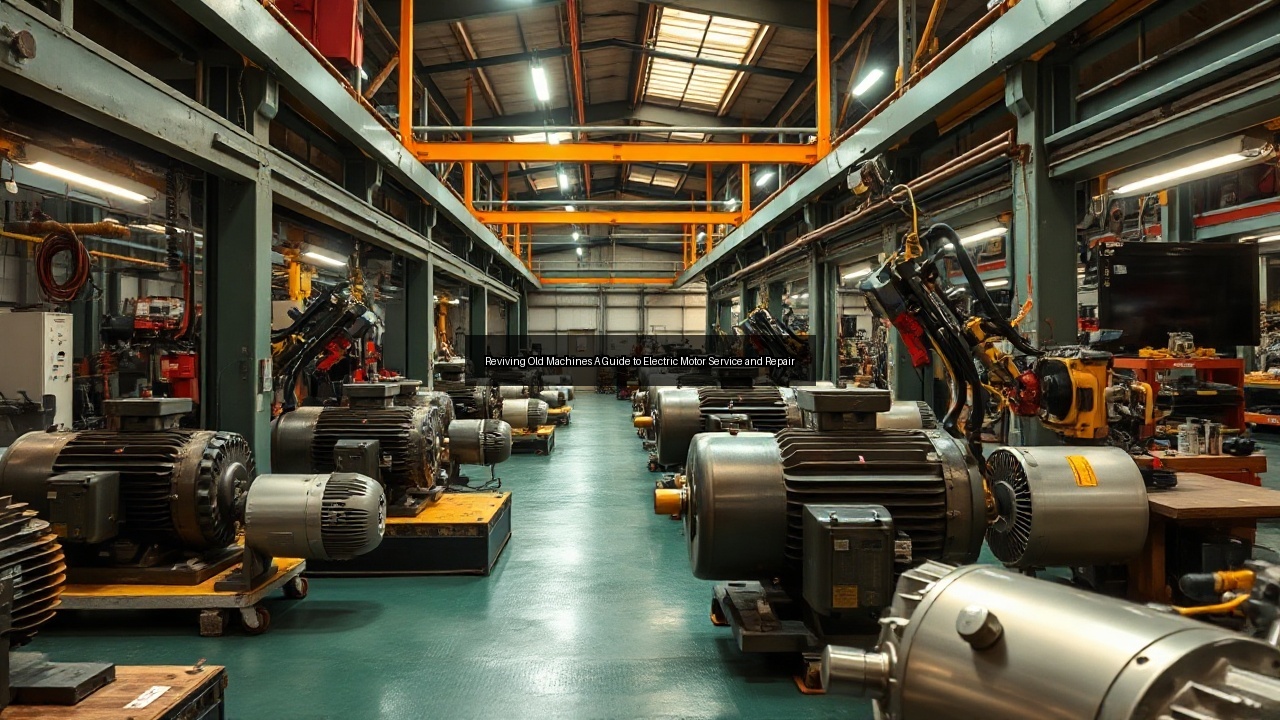
Electric motors power the core operations across manufacturing plants by driving pumps, conveyors, fans, and assembly equipment. When these units fail, production halts and costs rise quickly. Successful electric motor repair restores function fast and prevents repeated breakdowns. Manufacturers count on consistent performance to meet output targets and control expenses. Proper repair extends equipment life and reduces the need for full replacements. Skilled technicians identify root causes during each service call and apply targeted fixes that address wear from continuous duty cycles. This approach keeps facilities running smoothly without unnecessary interruptions.
Common Types of Electric Motors and Their Applications
AC induction motors handle most general manufacturing tasks because they offer durability and simple construction. DC motors provide precise speed control in applications like winding machines and robotics. Servo motors deliver accurate positioning in automated assembly lines. Synchronous motors support high-efficiency needs in large pumps and compressors. Each type requires specific repair techniques during electric motor repair to restore original performance. Technicians match replacement parts and winding methods to the motor design. Understanding these distinctions helps manufacturers select the right service approach for every piece of equipment in their operations.
Key Components of Electric Motors
Rotors, stators, bearings, and windings form the essential parts inside every electric motor. The rotor transfers mechanical power while the stator creates the magnetic field. Bearings support smooth rotation under heavy loads. Windings carry current and generate torque. Switchgear and gear assemblies connect motors to control systems and mechanical loads. During electric motor repair, technicians examine each component for damage or degradation. They replace worn bearings, rewind coils when insulation fails, and realign rotors to eliminate vibration. This detailed focus on components ensures restored motors return to service with full reliability and extended operational life.
The Electric Motor Repair Process
Initial Troubleshooting Techniques
Technicians begin electric motor repair with systematic checks that include voltage measurements, insulation resistance tests, and thermal imaging. They listen for unusual noises and measure current draw under load. These steps pinpoint electrical faults, mechanical binding, or overheating before disassembly starts. Accurate troubleshooting prevents unnecessary work and speeds up the overall repair electric motor process. Manufacturers benefit when teams document findings clearly and communicate expected timelines. Early detection also reveals patterns that point to larger system issues such as power quality problems or misalignment with connected gear.
Disassembly and Inspection Procedures
Repair teams follow structured disassembly sequences to avoid further damage to delicate parts. They label every connection and photograph assemblies for accurate reassembly later. Visual inspection reveals cracked housings, scored shafts, and contaminated grease. Dimensional checks confirm tolerances on bearing journals and rotor surfaces. Electric motor repair at this stage often uncovers hidden issues like loose laminations or burned windings. Thorough cleaning removes debris that could cause future failures. Manufacturers gain confidence when shops maintain detailed inspection records that support warranty claims and future maintenance planning.
Repairing Worn or Damaged Parts
Skilled technicians replace bearings, resurface commutators, and rewind stators using materials that meet or exceed original specifications. They machine shafts back to proper dimensions and balance rotors dynamically. Switchgear contacts receive cleaning or replacement to restore reliable starting and stopping. Gear teeth get inspection for pitting and wear that affects load transmission. Electric motor repair succeeds when each restored component operates within design limits. Proper lubrication and sealing during this phase protect against future contamination. These targeted interventions return motors to peak efficiency without full unit replacement.
Reassembly and Testing for Functionality
Reassembly follows manufacturer torque specifications and alignment procedures. Technicians verify electrical connections and install fresh seals to prevent leaks. Final testing includes no-load runs, full-load simulations, and vibration analysis to confirm smooth operation. Electric motor repair concludes only after performance meets acceptance criteria. Documentation captures test results for quality records. Manufacturers receive motors ready for immediate installation with confidence that repair services addressed all identified problems. This rigorous process reduces callbacks and supports long-term reliability in demanding production environments.
Preventative Maintenance Strategies
Routine Maintenance Schedules for Electric Motors
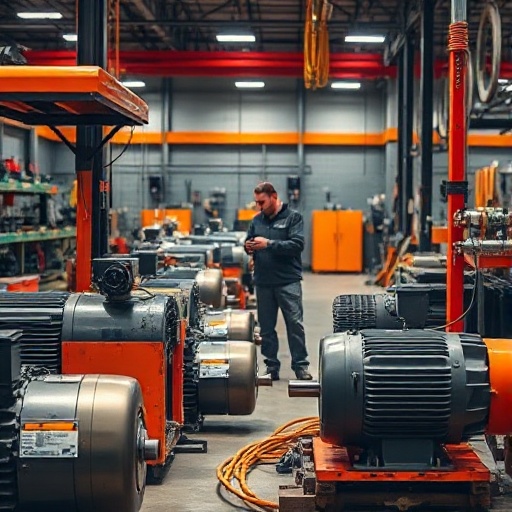
Regular inspections, lubrication, and cleaning form the foundation of effective motor maintenance. Manufacturers establish schedules based on operating hours, environmental conditions, and load profiles. Quarterly checks catch early signs of bearing wear or insulation breakdown. Annual overhauls allow deeper cleaning and part replacement before failures occur. Electric motor repair becomes less frequent when teams adhere to these routines. Documentation helps track trends and adjust intervals as equipment ages. Consistent schedules support continuous production by minimizing unexpected downtime across the facility.
Vibration Analysis for Early Detection of Issues
Vibration analysis identifies imbalance, misalignment, and bearing defects long before audible symptoms appear. Portable analyzers collect data during normal operation without process interruption. Trending results reveals developing problems that require planned electric motor repair. Manufacturers integrate these measurements into reliability programs to extend equipment life. Technicians interpret spectra to distinguish between electrical and mechanical faults. Early intervention prevents secondary damage to rotors and stators. This predictive tool reduces emergency repair costs and improves overall uptime in manufacturing operations.
The Role of Gear and Switchgear in Motor Longevity
Gear units transmit power while switchgear manages starting, stopping, and protection. Misaligned gear creates excess load on motor shafts and accelerates bearing failure. Worn switchgear contacts cause voltage drops that stress windings. Electric motor repair teams inspect these connected systems during every service visit. Proper lubrication of gear teeth and calibration of protective relays protect motors from overload conditions. Manufacturers who maintain both motors and auxiliary components experience fewer breakdowns. Coordinated care across these elements supports sustained performance and lowers total ownership costs.
Enhancing Reliability through Automation
Integrating Automation in Maintenance Practices
Automated lubrication systems and remote sensors reduce human error in routine tasks. Programmable logic controllers track motor runtime and trigger alerts when parameters exceed limits. Electric motor repair integrates with these systems through standardized data formats. Manufacturers gain consistent maintenance execution across multiple production lines. Automated work orders ensure nothing falls through scheduling gaps. This structured approach improves compliance with preventative maintenance plans and frees technicians for higher-value diagnostic work.
Monitoring Systems for Continuous Performance Assessment
Online monitoring platforms collect temperature, current, and vibration data in real time. Cloud dashboards allow engineers to review trends from any location. Electric motor repair decisions become data-driven when teams spot deviations early. Manufacturers use these insights to prioritize repairs and allocate resources efficiently. Continuous assessment also supports root-cause analysis after any incident. Integration with existing plant networks keeps implementation costs reasonable while delivering measurable reliability gains.
The Future of Electric Motor Repair in Automated Manufacturing
Digital twins and machine learning will predict remaining useful life with greater accuracy. Augmented reality guides technicians through complex repair electric motor procedures on-site. Electric motor service evolves toward condition-based interventions rather than fixed schedules. Manufacturers adopting these technologies reduce unplanned stops and extend equipment life further. Collaboration between repair shops and automation providers creates seamless data flows that support predictive strategies. The result is a more resilient production environment built on proactive electric motor repair practices.
Choosing the Right Motor Repair Services
Selecting a Reliable Motor Repair Shop
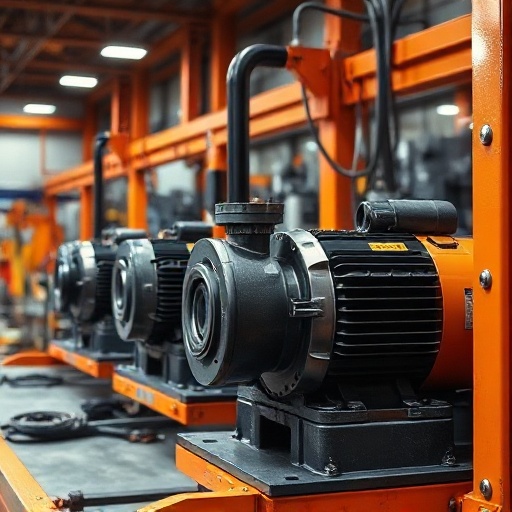
Look for shops with documented quality systems, trained technicians, and modern test equipment. Verify experience with the specific motor types used in your manufacturing processes. Electric motor repair shops that offer pickup and delivery reduce logistical burdens. References from similar facilities help confirm consistent performance. Manufacturers should tour facilities to assess cleanliness, organization, and technical capabilities before awarding work.
Evaluating Motor Repair Services for Quality
Review turnaround times, failure-mode reporting, and warranty terms during the selection process. Ask how shops handle root-cause analysis and whether they partner with OEMs for parts. Electric motor repair quality shows in post-repair test data and low repeat-failure rates. Manufacturers benefit from service providers who supply detailed repair histories that feed into internal reliability programs. Site audits and performance scorecards keep standards high over time.
Understanding Warranty and Service Agreements
Clear warranty coverage protects against defects in workmanship and materials. Service agreements should define response times, scope of work, and pricing structures. Electric motor repair contracts often include preventative maintenance options that bundle inspections with repairs. Manufacturers review terms for exclusions related to misuse or environmental damage. Strong agreements align provider incentives with long-term equipment reliability goals and reduce unexpected expenses.
See Also
- The Art of Troubleshooting Common Electric Motor Issues Explained
- Reviving Powerhouses How to Master Electric Motor Repair
- Enhancing Reliability Through Vibration Analysis in Electric Motors
- Switching Gears A Guide to Electric Motor Service and Maintenance
- From Gear to Generator Essential Steps for Electric Motor Restoration