A Deep Dive into the Methods Used by Hydro Testing Experts
Understanding Hydrostatic Testing
What is Hydrostatic Testing?
Hydrostatic testing serves as a critical method for evaluating the integrity and safety of various systems that contain liquids. This process involves filling a vessel, pipeline, or structure hydrostatic pressure test company with a liquid, typically water, and then pressurizing it to a predetermined level. The primary goal is to identify leaks, assess structural integrity, and ensure that the system can withstand the pressures it will encounter during operation. Hydrostatic pressure testing is essential in various industries, companies doing hydrostatic pressure tests including oil and gas, construction, and aerospace, where the risk of failure can have significant safety implications.
Importance in the Oil and Gas Industry
In the oil and gas industry, hydrostatic testing holds immense importance. It ensures that pipelines and storage tanks can handle the high pressures associated with transporting oil and gas. The consequences of a failure in these systems can be catastrophic, leading to environmental disasters and significant financial losses. Hydro testing verifies that materials used in construction, such as welding joints and pipe fittings, can withstand operational pressures without leaking. By adhering to rigorous safety standards through hydrostatic testing, companies can prevent accidents and promote operational efficiency in their management practices.
Types of Fluids Used in Hydrostatic Tests
While water is the most commonly used fluid for hydrostatic testing, other liquids may also serve specific purposes. Oil-based fluids, for instance, might be employed when testing systems that will eventually transport hydrocarbons. Additionally, nitrogen gas can be utilized in pneumatic testing, where pressurized gas replaces liquid to evaluate system integrity. The choice of fluid depends on various factors, including the properties of the materials involved, the testing environment, and the specific requirements of the industry. Hydrostatic testing companies often adapt their methods to ensure that the selected fluids meet safety and efficiency standards.
Methods Employed by Hydro Testing Experts
Equipment and Technology in Hydro Testing
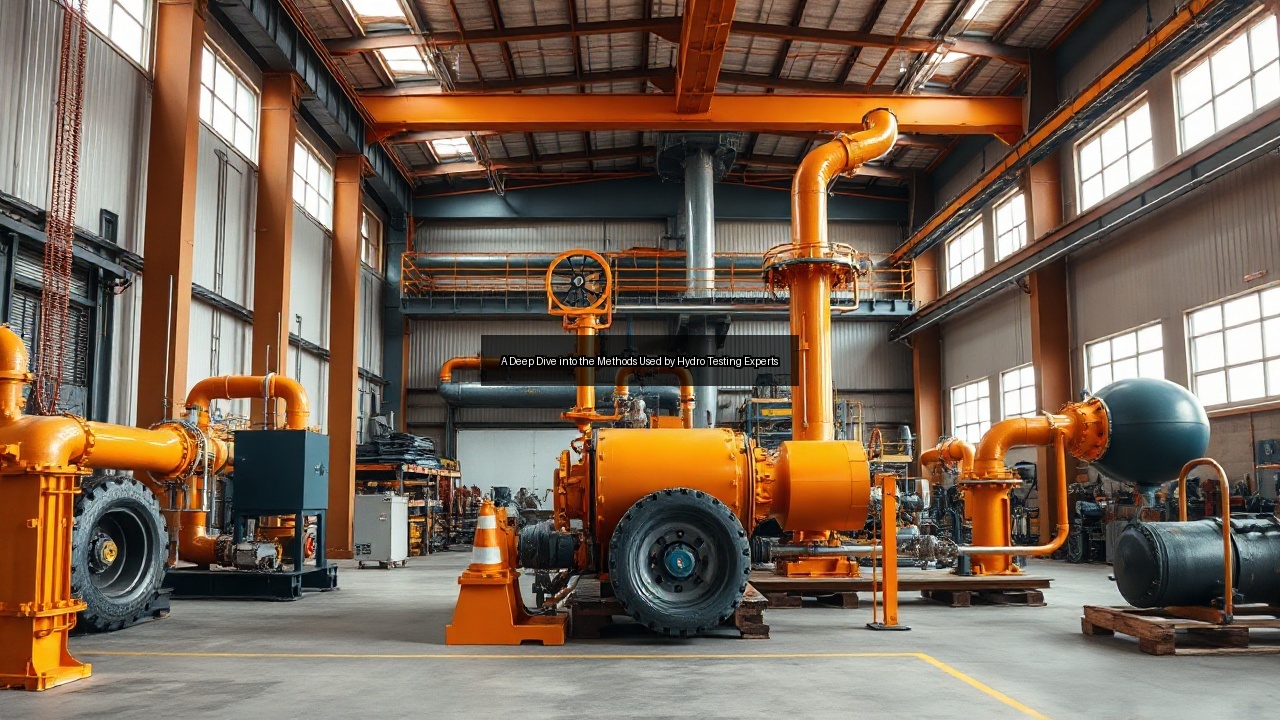
Hydro testing experts utilize advanced equipment and technology to carry out effective and efficient tests. They rely on high-capacity pumps to fill the test vessels or pipelines with the chosen fluid, and precision gauges to monitor and maintain the required pressure levels. Data loggers and pressure transducers play a crucial role in capturing real-time data during the testing process, enabling experts to analyze results accurately. Specialized containers, such as test tanks, may be used for smaller-scale tests. The combination of cutting-edge technology and skilled personnel ensures that hydrostatic testing firms deliver reliable and precise assessments of system integrity.
The Role of Pressure in Testing
Pressure serves as the backbone of hydrostatic testing. Experts carefully calculate the required pressure levels based on the specifications of the system being tested. This pressure often exceeds the normal operating pressure to ensure that the system can handle unexpected surges during operation. The tests typically last for a predetermined duration, allowing experts to monitor for any signs of failure or leaks. Understanding the relationship between pressure and material integrity is crucial for hydrostatic testing companies, as it directly impacts the safety and longevity of pipelines, tanks, and other structures.
Validation Processes for Safety Standards
Validation processes form an integral part of hydrostatic testing. These processes ensure that systems meet regulatory and industry safety standards. Experts follow stringent protocols to document the entire testing procedure, including pressure levels, duration, and any observed anomalies. This documentation serves as a vital record for future reference and regulatory compliance. Hydrostatic testing companies often conduct periodic audits and reviews to maintain their compliance with industry standards, further solidifying their reputation as trusted experts in the field. The commitment to safety through thorough validation processes promotes confidence among clients, particularly in high-stakes industries like oil and gas.
Applications Across Industries
Hydro Testing in Construction and Infrastructure
Hydrostatic testing plays a pivotal role in the construction and infrastructure sectors. When building large structures such as dams, bridges, or pipelines, engineers must ensure that these systems can withstand the forces exerted by water or other fluids. Hydro testing verifies the integrity of the materials used, including welds and joints, before the structure is companies doing hydrostatic pressure tests put into service. This preemptive measure helps mitigate the risks associated with leaks or structural failures. Construction companies rely on hydrostatic testing firms to provide accurate assessments that comply with safety regulations, ensuring projects are completed on time and within budget.
Aerospace Applications of Hydrostatic Testing
Aerospace applications also benefit from hydrostatic testing. Aircraft components, particularly fuel tanks and hydraulic systems, undergo rigorous testing to guarantee they can handle the extreme pressures experienced during flight. The reliability of these components is paramount for overall aircraft safety and performance. Hydrostatic testing helps identify weaknesses in materials or design before they can lead to catastrophic failures. Aerospace companies collaborate with specialized hydrostatic testing companies to ensure their products meet stringent safety standards and maintain the highest levels of operational reliability.
Testing Pipelines in the Energy Sector
The energy sector relies heavily on hydrostatic testing for the integrity of its pipeline systems. Pipelines transport oil, gas, and other fluids across vast distances, making them susceptible to wear and tear over time. Regular hydrostatic pressure tests help detect leaks, corrosion, and other structural issues that could compromise safety and efficiency. Energy companies partner with hydrostatic testing firms to conduct these assessments, ensuring compliance with safety regulations and environmental standards. The thorough evaluation of pipelines through hydro testing not only protects the environment but also enhances the operational efficiency of energy production and distribution systems.
Choosing the Right Hydrostatic Testing Company
Key Factors in Selecting a Hydrostatic Testing Firm
Selecting the right hydrostatic testing company involves considering several key factors. First, assess the firm's experience and expertise in the industry. A company with a proven track record in hydrostatic testing can provide valuable insights and reliable results. Additionally, consider the range of services offered. Some companies specialize in specific applications, such as aerospace or oil and gas, while others provide a broader spectrum of testing solutions. Verify the company’s certifications and adherence to safety standards, as these factors reflect their commitment to quality and safety in hydrostatic testing.
Comparing Hydrostatic Testing Companies
Comparing hydrostatic testing companies requires careful evaluation of their services, pricing, and reputation. Request quotes from multiple firms to understand the market rates and the scope of services offered. Look for customer reviews and testimonials to gauge the quality of their work. A reputable hydrostatic testing firm should be transparent about its processes and provide a clear outline of what clients can expect during the testing phase. Engaging with industry professionals to gather recommendations can lead to valuable insights that guide the selection process and ensure the hiring of a competent testing company.
The Future of Hydro Testing in Various Industries
The future of hydro testing looks promising as technology continues to evolve. Innovations in equipment and data analysis techniques enhance the accuracy and efficiency of hydrostatic testing. Industries are increasingly prioritizing safety and environmental considerations, driving demand for reliable testing services. Companies specializing in hydrostatic testing will likely expand their offerings to include more specialized services, catering to the unique needs of sectors such as renewable energy and advanced manufacturing. As regulations become stricter, the role of hydro testing companies in ensuring compliance and safety will only grow, making them essential partners across industries.
See Also
- How to Find Reliable Hydrostatic Testing Experts for Your Needs
- What to Look for in a Hydrostatic Pressure Testing Company
- Unveiling the Best Hydrostatic Testing Companies in the Oil and Gas Industry
- The Benefits of Outsourcing Hydrostatic Pressure Tests to Experts
- Choosing the Right Hydrostatic Testing Company for Your Project