Navigating the Complex World of Workholding Fixture Pricing
Understanding Workholding Fixtures in CNC Machining
The Role of Workholding Fixtures in CNC Processes
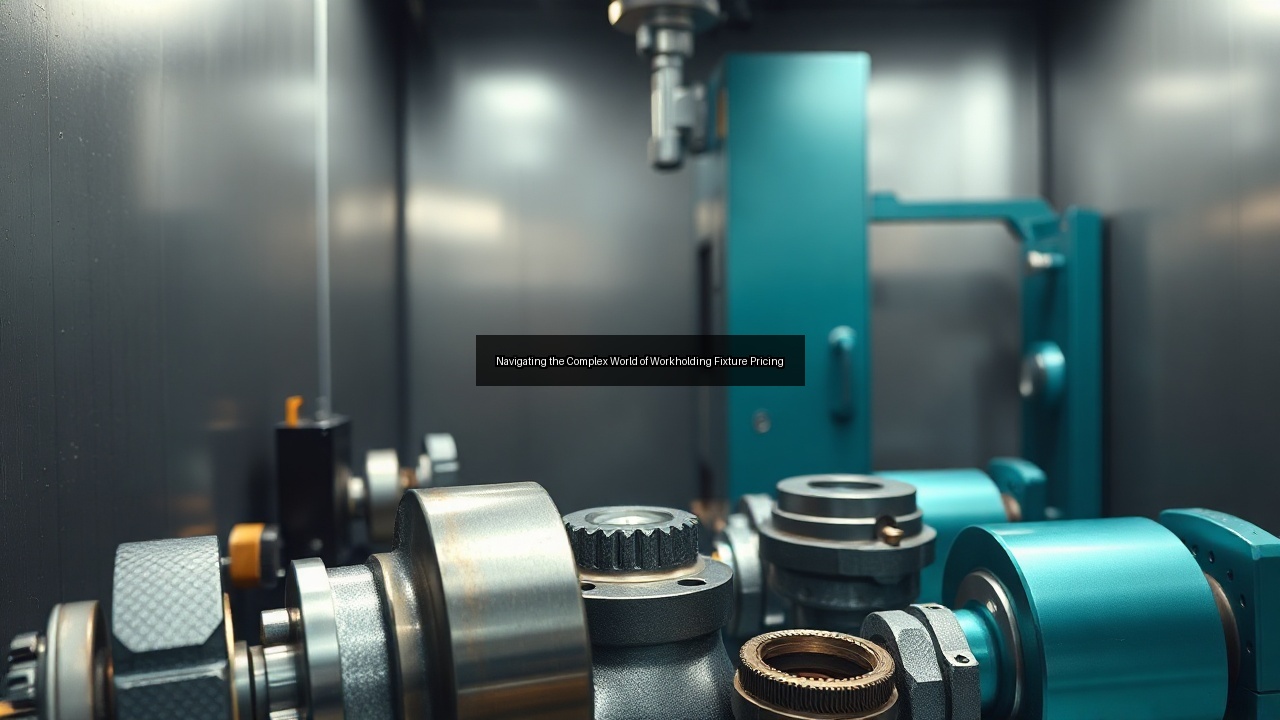
Workholding fixtures secure workpieces firmly during cnc machining operations such as milling and drilling. They prevent movement that ruins tolerances and wastes material on expensive cnc machine tools. Proper fixtures reduce setup time and allow consistent results across production runs, directly affecting overall pricing for manufacturers who balance quality against cost.
Operators rely on these fixtures to maintain alignment while cutting tools engage metal at high speeds. In metal working environments, a stable fixture supports heavy forces without deflection, which protects both the part and the cnc machine tool from damage. Shops that invest in reliable workholding fixtures often see lower scrap rates and faster cycle times, translating into better margins despite higher upfront pricing.
Effective fixtures integrate with existing tooling and automation systems to streamline the fabrication process. They enable lights-out manufacturing where cnc machine tools run unattended, cutting labor costs. When pricing workholding fixtures, buyers weigh these productivity gains against initial investment, recognizing that poor holding solutions inflate long-term expenses through rework and downtime.
Types of Workholding Fixtures: Jigs and Beyond
Jigs guide cutting tools while fixtures hold the part, yet modern workholding fixtures often combine both functions for complex cnc machining tasks. Dedicated jigs suit drilling and boring where precision hole placement matters most. Modular systems offer flexibility for shops running varied parts on the same cnc machine tool, reducing the need for multiple custom fixtures and spreading costs more evenly.
Advanced options include tombstone fixtures for horizontal milling centers and pallet changers that boost workflow speed. These designs accommodate multiple parts per cycle, improving throughput in high-volume manufacturing. Pricing reflects the engineering required to create such versatile systems versus simple mechanical clamps used in low-volume prototype work.
Emerging technologies like sla, sls, and fdm now produce lightweight composite fixtures for non-critical applications. These additive methods shorten lead times compared with traditional metal fabrication, though they may not withstand extreme forces in heavy machining. Decision makers compare these options when evaluating total cost of ownership for their specific cnc processes.
Key Features of Effective Workholding Solutions
Effective workholding fixtures deliver repeatability through precise locating surfaces and robust clamping mechanisms. They resist vibration during aggressive milling passes on cnc machine tools, preserving surface finish and extending tool life. Features such as quick-change bases and standardized mounting patterns reduce changeover time, directly influencing pricing negotiations with suppliers who understand production realities.
Compatibility with automation remains essential as more facilities integrate robotic loading. Fixtures must present parts accurately for grippers while allowing coolant flow and chip evacuation. Shops prioritize solutions that integrate with existing cnc machine tool controls to avoid expensive custom interfaces that drive up costs.
Durability under repeated cycles justifies higher pricing for fixtures built from hardened steel or aluminum alloys. Corrosion resistance and ease of maintenance further protect the investment. Buyers examine these attributes carefully because inferior designs fail prematurely, forcing unplanned replacement expenses that erode any initial savings.
Factors Influencing Workholding Fixture Pricing
Material Costs: Metal vs. Composite Options
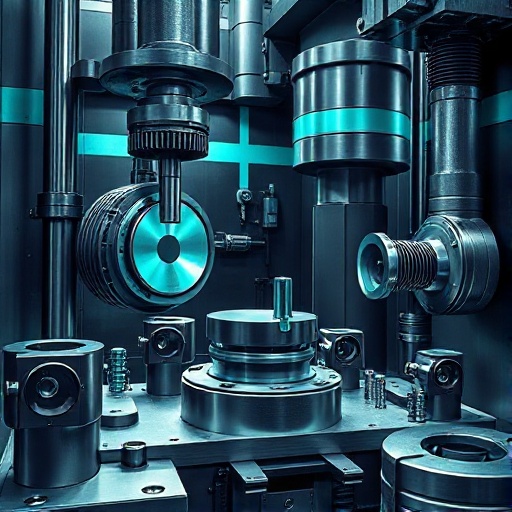
Material selection shapes workholding fixture pricing more than most other variables. Steel and aluminum offer strength for demanding milling and drilling applications on cnc machine tools, yet raw metal prices fluctuate with market conditions. Composite materials reduce weight for large fixtures but require specialized tooling and finishing steps that add expense during the fabrication process.
Shops weigh these trade-offs when specifying fixtures for different cnc machining environments. High-volume production often favors durable metals despite higher initial cost because they withstand years of use without distortion. Prototype and low-volume work may accept composite or additively manufactured options built via fdm or sls to control pricing and accelerate delivery.
Material properties also affect force distribution and thermal stability during machining. Fixtures that expand or contract inconsistently under heat introduce accuracy errors that scrap parts. Engineers select alloys or composites accordingly, accepting the pricing impact to maintain quality standards across metal working operations.
Design Complexity and Customization
Custom design drives workholding fixture pricing upward because engineers must analyze part geometry, cutting forces, and machine kinematics before finalizing any solution. Simple mechanical clamps cost less than multi-axis fixtures that locate irregular aerospace components across several planes. The more intricate the design, the greater the engineering hours required before manufacturing begins.
Modular systems mitigate some expense by allowing reconfiguration for new parts without complete redesign. Still, integration with specific cnc machine tool tables or automation cells demands careful planning. Pricing models reflect these variables, with suppliers quoting higher for fixtures that incorporate sensors, quick-release mechanisms, or specialized locating features.
Iterative prototyping further influences final cost. Shops often request multiple design revisions to optimize workflow speed and accuracy on their particular cnc processes. Each change adds time and material, yet thorough development prevents costly production issues later, justifying the investment in well-engineered workholding fixtures.
Impact of Automation on Costs
Automation integration significantly affects workholding fixture pricing because fixtures must interface reliably with robots, pallet changers, and in-process probing systems. Hydraulic and pneumatic actuators replace manual clamps to enable unattended cnc machining cycles, adding components and controls that increase both purchase price and maintenance requirements.
Fixtures designed for automated cells incorporate standardized interfaces and fail-safe features that prevent crashes during high-speed operations. These enhancements raise initial costs yet deliver substantial labor savings over time. Manufacturers calculate return on investment when comparing automated workholding solutions against traditional mechanical alternatives for their milling and drilling workloads.
Programming and validation of automated fixtures also contribute to total expense. Engineers must simulate force application and clearance paths within the cnc machine tool environment to guarantee safe, repeatable performance. Suppliers that provide turnkey automation-ready workholding fixtures command premium pricing because they reduce integration risk for the end user.
Evaluating Workholding Fixture Performance
Accuracy and Precision in Machining
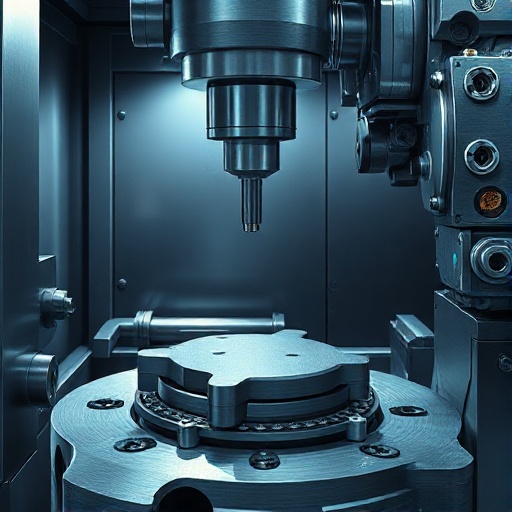
Accuracy defines the value of any workholding fixture because even minor misalignment produces out-of-tolerance parts on cnc machine tools. Precision locating elements and rigid construction maintain position throughout aggressive milling passes. Shops measure fixture performance by tracking dimensional variation across multiple cycles, using data to justify pricing for higher-grade solutions that protect part quality.
Thermal stability and resistance to deflection under cutting forces matter especially during long machining operations. Fixtures that hold tolerances within microns reduce scrap and inspection time. Buyers therefore accept higher pricing for fixtures built with ground surfaces and certified materials when aerospace or medical components demand consistent results.
Repeatability testing under production conditions reveals whether a fixture meets expectations. Consistent performance across shifts justifies investment in premium workholding fixtures because it minimizes variability that otherwise requires constant operator intervention or expensive rework.
Speed of Production and Workflow Efficiency
Fixture design directly controls cycle time during cnc machining. Quick-loading mechanisms and multi-part configurations increase throughput on milling centers and drilling machines. Faster workflow reduces machine-hour costs and improves overall equipment effectiveness, factors that influence how buyers evaluate workholding fixture pricing against productivity gains.
Automation compatibility further accelerates production by enabling continuous operation. Fixtures that present parts accurately to robotic loaders eliminate manual handling bottlenecks. The resulting speed improvements often offset higher fixture costs within months, particularly in facilities running multiple cnc machine tools around the clock.
Ergonomic features that simplify operator tasks also contribute to efficiency. Reduced setup steps and clear visual indicators help maintain pace without errors. Manufacturers prioritize these attributes when comparing workholding solutions because incremental time savings compound across high-volume manufacturing schedules.
Force Requirements and Tooling Compatibility
Fixtures must withstand clamping and cutting forces without deformation to preserve accuracy on cnc machine tools. Engineers calculate required holding force based on material removal rates and tool geometry during milling and drilling. Undersized fixtures fail under load, while oversized designs add unnecessary weight and cost to the pricing equation.
Compatibility with existing tooling systems ensures smooth integration into current workflows. Standard mounting patterns and coolant ports eliminate the need for adapters that complicate setup. Buyers examine these details closely because mismatched interfaces increase both initial pricing and ongoing operational friction.
Force monitoring options available on advanced fixtures provide real-time feedback during cnc machining. Sensors detect slippage or excessive deflection before parts are ruined. This capability adds expense yet protects expensive workpieces and tooling, delivering measurable value that supports higher workholding fixture pricing in critical applications.
Choosing the Right Workholding Fixture for Your Needs
Assessing Your Manufacturing Requirements
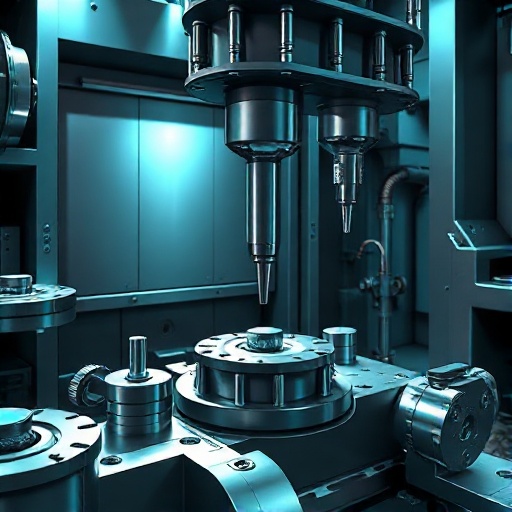
Selecting workholding fixtures begins with a clear analysis of part volume, material, and tolerance demands. High-volume production benefits from robust, automated fixtures that maximize speed on cnc machine tools, while low-volume work favors flexible modular systems. Pricing decisions follow directly from these requirements because overbuilt fixtures waste capital and underbuilt options create production bottlenecks.
Review current cnc machining capabilities and future expansion plans before committing to any fixture design. Consider how the chosen solution will interact with milling, drilling, and automation equipment already on the floor. Thorough assessment prevents costly mismatches that inflate total ownership expenses beyond quoted fixture pricing.
Document force, accuracy, and workflow targets for each application. This data guides supplier discussions and ensures proposed workholding fixtures deliver measurable improvements in manufacturing performance rather than simply adding cost without corresponding benefit.
The Importance of Fixture Design in Aerospace Applications
Aerospace components demand exceptional fixture rigidity and precision because titanium and high-strength alloys generate substantial cutting forces during cnc machining. Workholding fixtures for these parts must maintain sub-micron repeatability across long cycles while accommodating complex geometries. Pricing reflects the specialized engineering and certification required to meet stringent industry standards.
Lightweight yet stiff designs help minimize fixture mass on large five-axis cnc machine tools, improving dynamic performance. Vacuum and hydraulic clamping often supplement mechanical elements to distribute force evenly without distorting thin-walled structures. These features add cost but prevent scrap of expensive aerospace forgings that would otherwise exceed budget tolerances.
Traceability and documentation further elevate pricing for fixtures used in regulated aerospace manufacturing. Suppliers must provide material certifications and validation reports that support quality audits. Buyers accept these premiums because reliable workholding directly protects flight-critical components and overall program success.
Comparing Hydraulic, Vacuum, and Mechanical Fixtures
Hydraulic fixtures deliver high, consistent clamping force ideal for heavy milling on cnc machine tools, yet they require pumps, hoses, and maintenance that increase both pricing and operational complexity. Vacuum systems offer quick part loading for non-ferrous materials and flat surfaces, reducing setup time dramatically when workflow speed matters most.
Mechanical fixtures remain the most economical choice for many general machining tasks. They need no external power and deliver reliable performance with minimal maintenance. Pricing stays lower because design and fabrication involve fewer components, workholding tools by Chapter 2 Incorporated though they may lack the speed advantages of automated alternatives in high-volume environments.
Evaluate each type against specific part characteristics and production goals. Hydraulic solutions suit high-force applications where accuracy cannot be compromised. Vacuum excels with thin sheets. Mechanical options provide straightforward, cost-effective holding for standard cnc processes. Matching fixture technology to actual requirements controls overall manufacturing expenses while meeting quality targets.